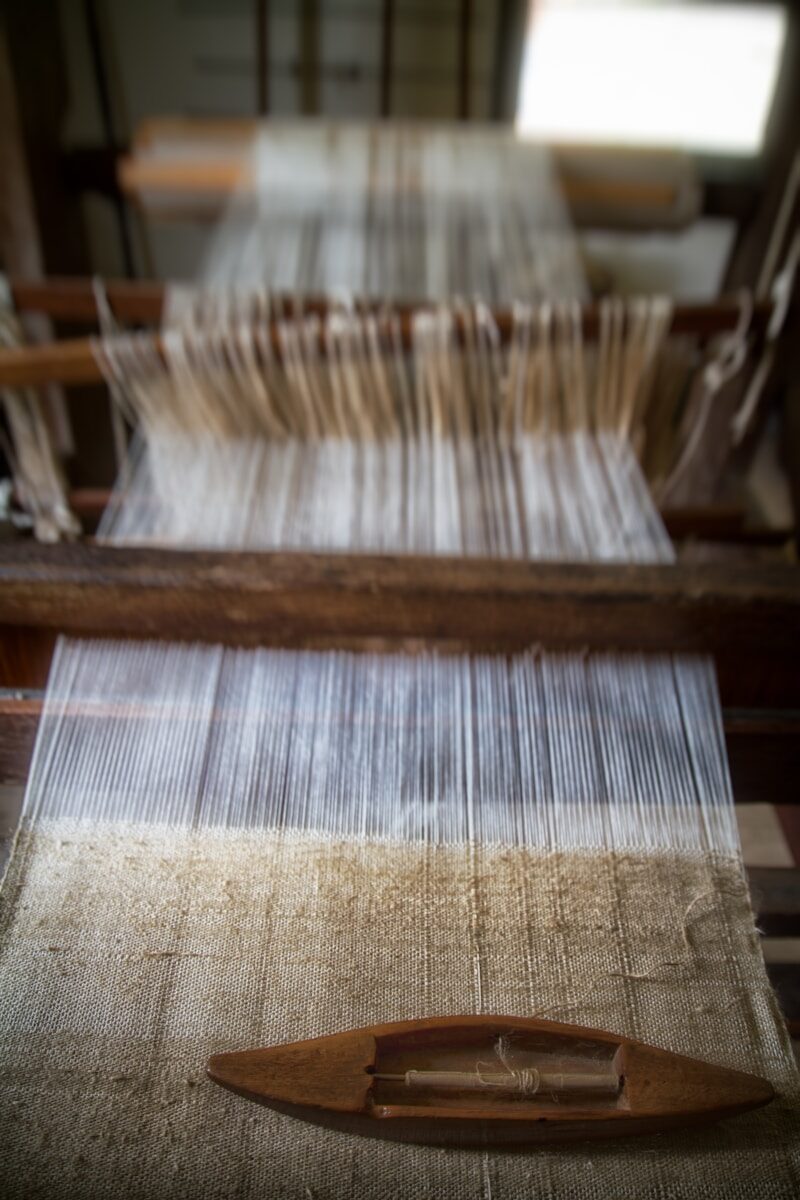
Weave in Powerful Metaphors and Symbols and something interesting happens. Your writing stops being a collection of sentences and starts becoming an experience. Readers may forget a statistic or a list of facts, but they rarely forget an image that made them see an idea in a completely new way.
I did not always understand this.
For years, I focused on explaining everything as clearly as possible. My writing was accurate, but it often felt flat. Then I noticed that the articles I remembered most were not necessarily the ones with the best arguments. They were the ones that painted pictures in my mind.
Metaphors Turn Ideas Into Images
Abstract ideas can be difficult to grasp.
Growth, fear, hope, and resilience are concepts we all understand, yet they become much more powerful when connected to something familiar.
A writer might describe personal growth as climbing a mountain.
Another might compare it to planting a tree that takes years to bear fruit.
The facts remain the same.
The experience changes completely.
Readers can now see the idea instead of simply reading about it.
Symbols Give Ordinary Objects New Meaning
A symbol is often something simple that represents something much larger.
A lighthouse can represent hope.
A bridge can symbolize connection.
An open door can suggest opportunity.
A cracked mirror might reflect self doubt.
These objects are ordinary until a writer gives them emotional meaning.
Once that happens, readers begin to associate the object with the larger message of the story.
The Best Metaphors Feel Natural
One mistake many writers make is forcing metaphors into every paragraph.
A single meaningful comparison is usually far more memorable than ten ordinary ones.
The strongest metaphors emerge naturally from the subject.
If you are writing about persistence, you might describe a river slowly carving through rock.
If you are writing about change, you might compare life to the changing seasons.
The image should support the message rather than distract from it.
Readers Remember Stories More Than Explanations
Think about the books, speeches, or articles that stayed with you.
Chances are you remember the story before you remember the lesson.
That is because our minds naturally connect with images and narratives.
A metaphor acts like a shortcut.
Instead of explaining an emotion for several paragraphs, one vivid comparison can communicate the same feeling in a single sentence.
That is the quiet power of symbolism.
Every Writer Has Their Own Language
Some writers return to the sea.
Others write about forests, stars, gardens, or storms.
Over time, these recurring images become part of their unique voice.
Readers begin to recognize those symbols and understand what they represent.
That consistency creates familiarity without becoming repetitive.
The symbols become part of the conversation between writer and reader.
Let Your Writing Paint Pictures
Good writing communicates information.
Great writing creates memories.
Facts inform us.
Images stay with us.
The next time you write, look beyond the sentences themselves.
Ask yourself whether your readers will only understand your message or whether they will also be able to picture it.
When you weave in powerful metaphors and symbols, your words gain another layer of meaning.
Long after readers have finished the final paragraph, the images you created may still be quietly unfolding in their minds.
That is when writing becomes more than communication.
It becomes something people remember.