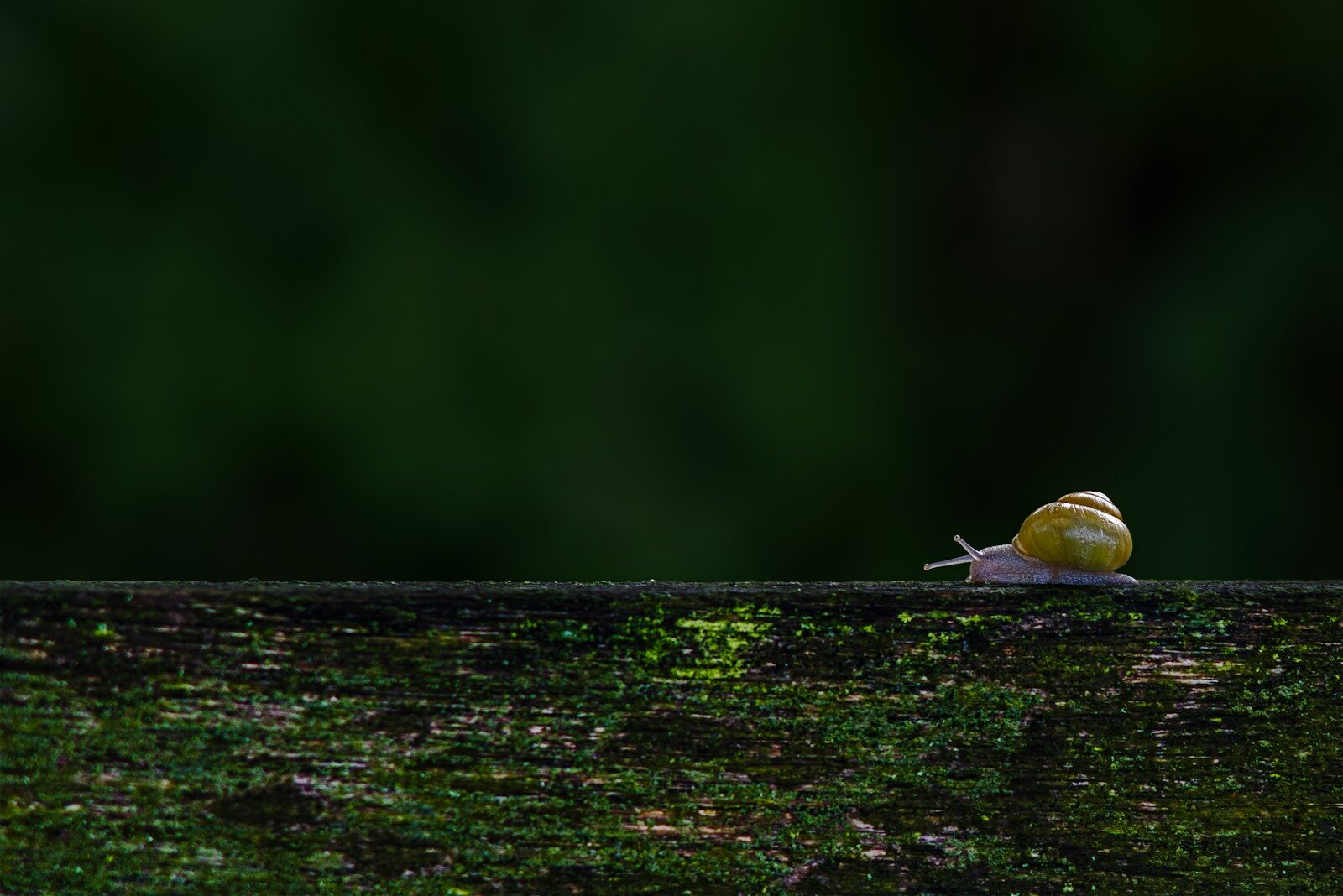
A few months ago, I caught myself rushing through a cup of coffee.
Not drinking it quickly because I was late.
Not hurrying because something urgent demanded my attention.
I was simply moving fast out of habit.
Before I finished the last sip, I was already thinking about the next task, the next notification, and the next thing that needed to be done.
That moment made me realize something surprising.
Many of us are no longer rushing because life requires it. We are rushing because speed has become our default setting.
Practicing slowness is not about doing less or avoiding responsibility. It is about reclaiming the ability to be fully present in the life we are already living.
The Culture of Constant Motion
Modern life celebrates speed.
Fast responses are praised.
Quick decisions are admired.
Busy schedules often become badges of honor.
Somewhere along the way, many people began equating movement with progress.
The problem is that motion and progress are not always the same thing.
A person can spend an entire day rushing from task to task and still feel disconnected from what truly matters.
Like running on a treadmill, a great deal of energy can be spent without actually moving forward.
Practicing slowness invites us to question whether every moment really needs to happen at full speed.
The Things We Miss When We Rush
Think about the last time you drove a familiar route.
You may have arrived at your destination with little memory of the journey itself.
The mind often operates on autopilot when life moves too quickly.
The same thing happens in our daily experiences.
We rush through conversations.
We hurry through meals.
We move from one activity to another without fully noticing what is happening.
Slowness creates space for observation.
Details become visible again.
Moments become richer.
Experiences feel more meaningful.
The world has not changed. Our attention has.
Slowness Is Not Laziness
One reason people resist slowing down is the fear of falling behind.
Productivity culture often treats rest and reflection as obstacles to success.
Yet some of the most thoughtful ideas emerge when there is room to think.
Athletes understand the importance of recovery.
Musicians understand the value of pauses between notes.
Nature itself follows rhythms of growth and rest.
Nothing thrives through constant acceleration.
Practicing slowness is not about avoiding effort.
It is about recognizing that sustainable effort requires balance.
Sometimes slowing down is the very thing that allows us to move forward more effectively.
Rediscovering the Present Moment
The present moment is surprisingly easy to overlook.
The mind often drifts toward future concerns or past regrets.
Meanwhile, life continues unfolding right in front of us.
Practicing slowness gently brings attention back to what is happening now.
The warmth of sunlight through a window.
The sound of rain outside.
A conversation with someone you care about.
The feeling of taking a deep breath after a long day.
These experiences may seem ordinary.
Yet they are often the moments people remember most when looking back on their lives.
The Courage to Move at Your Own Pace
There is a quiet confidence in refusing to be rushed by everything around you.
Not every email requires an immediate response.
Not every trend deserves your attention.
Not every opportunity needs to be pursued.
Practicing slowness involves recognizing that your pace does not need to match the pace of everyone else.
A tree does not compete with the tree beside it.
It grows according to its own timing.
People are much the same.
Growth becomes healthier when it is guided by purpose rather than pressure.
Creating Space for Clarity
Many important decisions become clearer when we stop forcing answers.
When life feels crowded, reflection often gets pushed aside.
The result is mental noise.
Slowness creates room for clarity to emerge.
It allows thoughts to settle.
Priorities become easier to identify.
Emotions become easier to understand.
What initially feels like inactivity often turns out to be one of the most productive forms of attention.
The mind works differently when it is not constantly under pressure.
A Different Kind of Success
Success is often measured by how much we accomplish.
Rarely do we ask how deeply we experienced the process.
Practicing slowness shifts the focus.
Instead of racing toward every finish line, it encourages us to appreciate the path itself.
The goal is not to eliminate ambition.
It is to ensure that ambition does not prevent us from experiencing our lives along the way.
After all, a meaningful life is not simply a collection of completed tasks.
It is a collection of moments noticed, relationships valued, and experiences fully lived.
The Gift of Slowing Down
The world will continue moving quickly.
Notifications will keep arriving.
Schedules will remain full.
There will always be another task waiting for attention.
Practicing slowness is not about escaping that reality.
It is about choosing how you engage with it.
When you slow down, even briefly, life begins to feel less like something rushing past and more like something you are actively participating in.
And perhaps that is the greatest gift of all.
Not more time, but a deeper experience of the time you already have.
